






There are moments when God invites us to move forward. But throughout Scripture, before God's people stepped into a new assignment, there was often a season of preparation. Before Israel crossed the Jordan, Joshua said: “Consecrate yourselves, for tomorrow the LORD will do amazing things among you.” Joshua 3:5
These ten days aren't about completing a diet. They're about consecration. We're intentionally turning down the noise, reordering our appetites and giving God our attention again. We're not fasting to manipulate God. We're not trying to earn His favor. We're not even fasting primarily to get more from God. We're giving God more of us. For the next ten days, our prayer is simple:
“Here I am, Lord. I belong to You. Prepare me for what's next.”
Very early in the morning, while it was still dark, Jesus got up, left the house and went off to a solitary place, where He prayed.

MARK 1:35


-
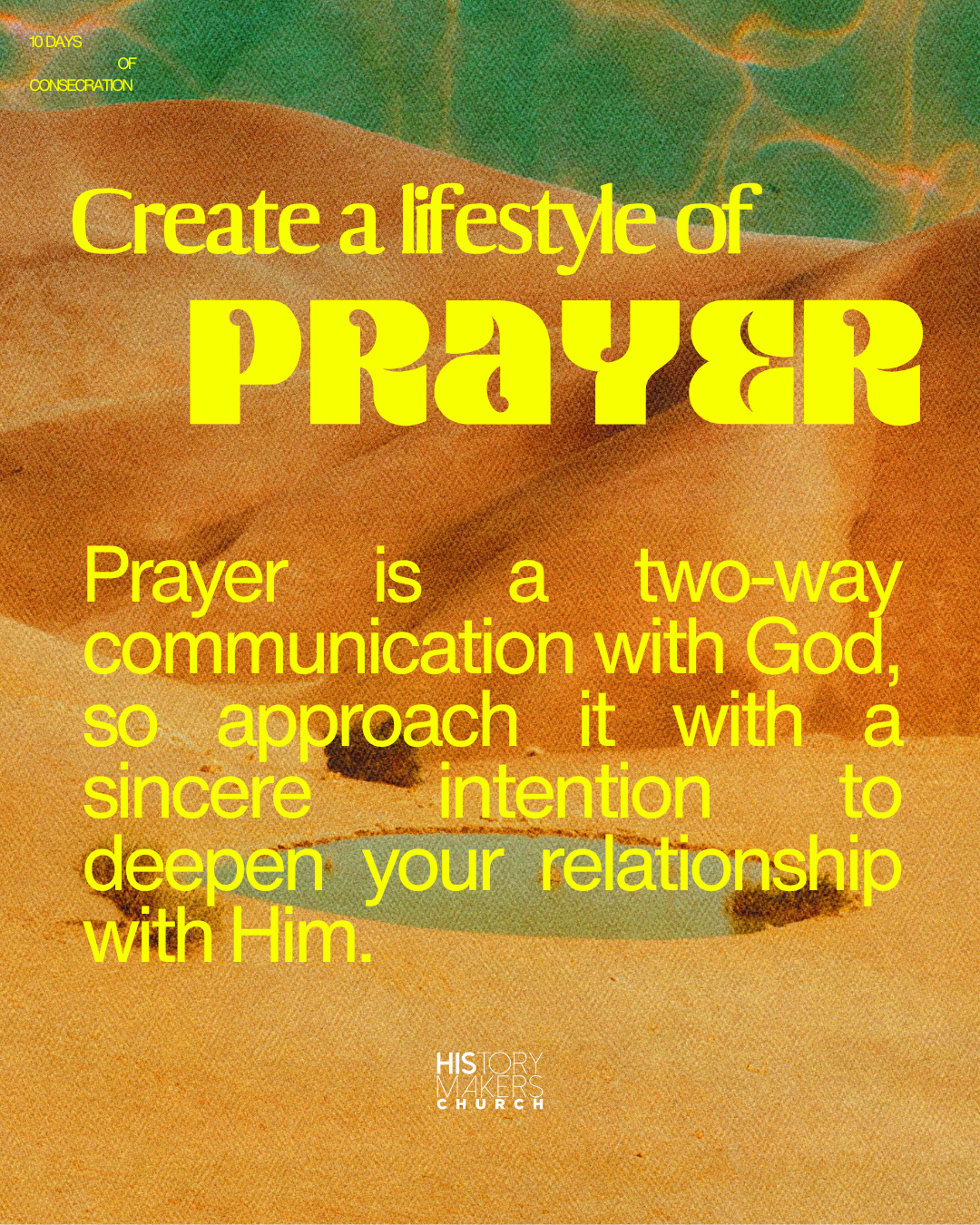
Prayer is most effective when it isn’t something we do every now and then, but when it’s a lifestyle we cultivate. To understand how to have a lifestyle of prayer, we can look at the example Jesus gave during His life on earth.
-
Jesus got up early in the morning to spend time with His Heavenly Father. Make a daily appointment with God –whether it’s first thing in the morning, at lunch, or in the evening — and faithfully keep it.
-
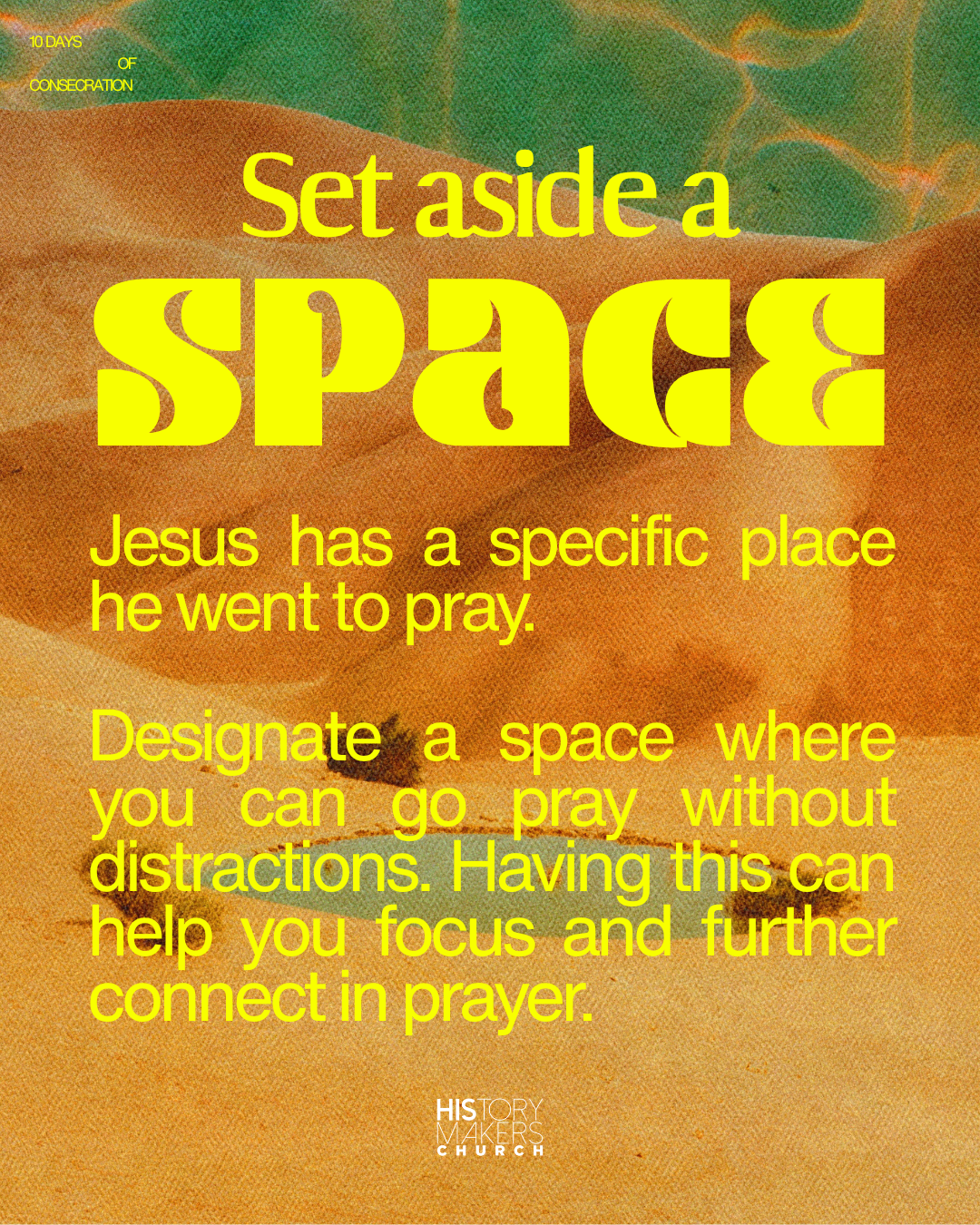
Jesus had a specific place He went to pray. Having a designated place to pray helps us remove distractions and frees us to worship and pray out loud.
-
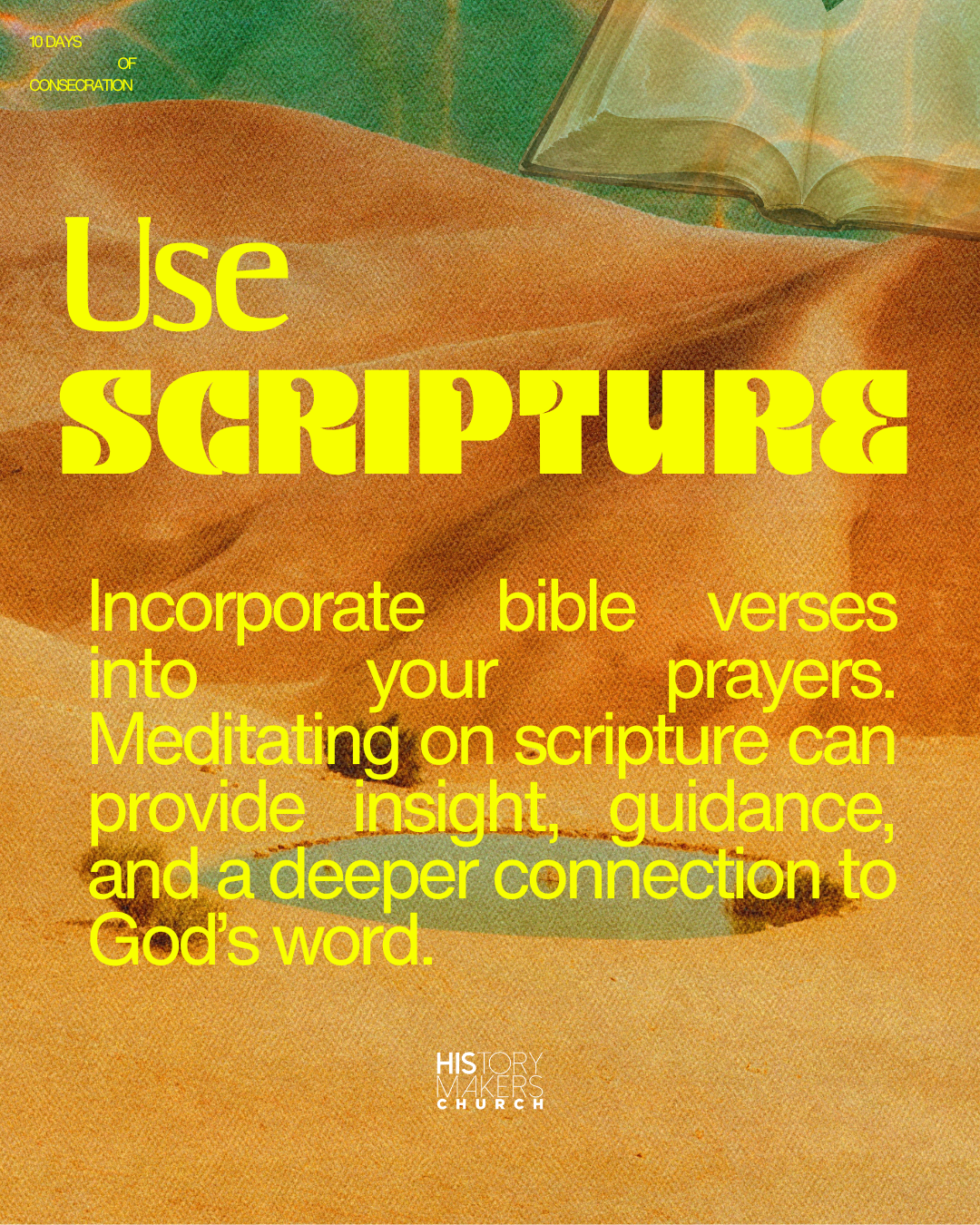
When Jesus taught His disciples how to pray, He gave them a prayer outline. We call it “The Lord’s Prayer.” This outline, along with several other tools, is available in this guide. As we pray every day, our plans for our prayer time can vary, maybe including worship music, Bible reading, and quiet time to listen to God. It doesn’t always have to look the same; it just helps when we have a plan for connecting regularly with God.


PREPARING FOR YOUR FAST

RESOURCES

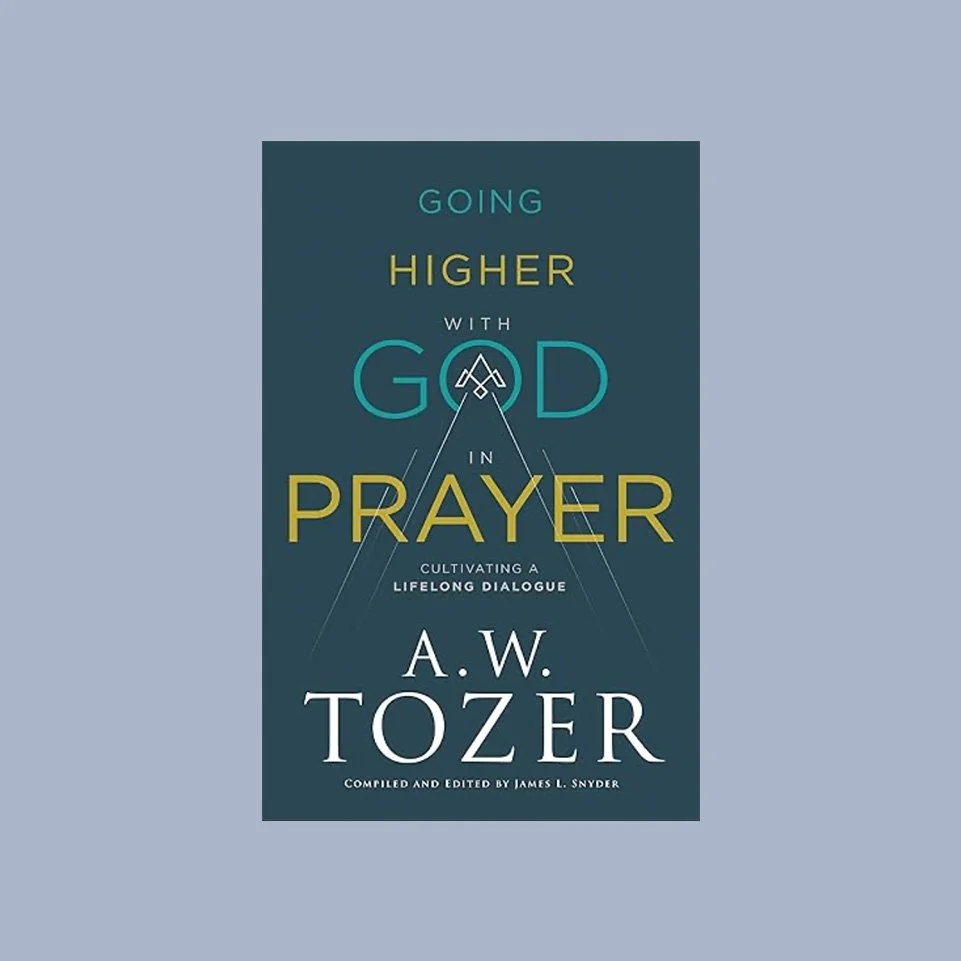
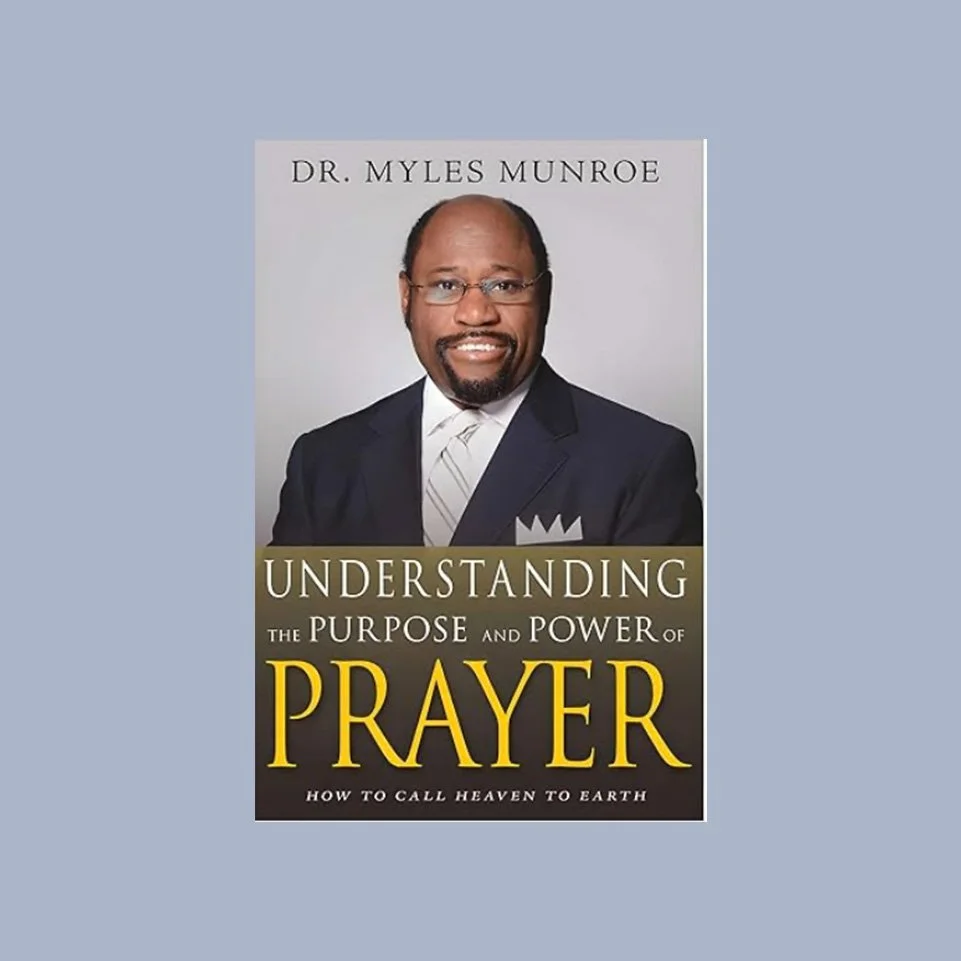
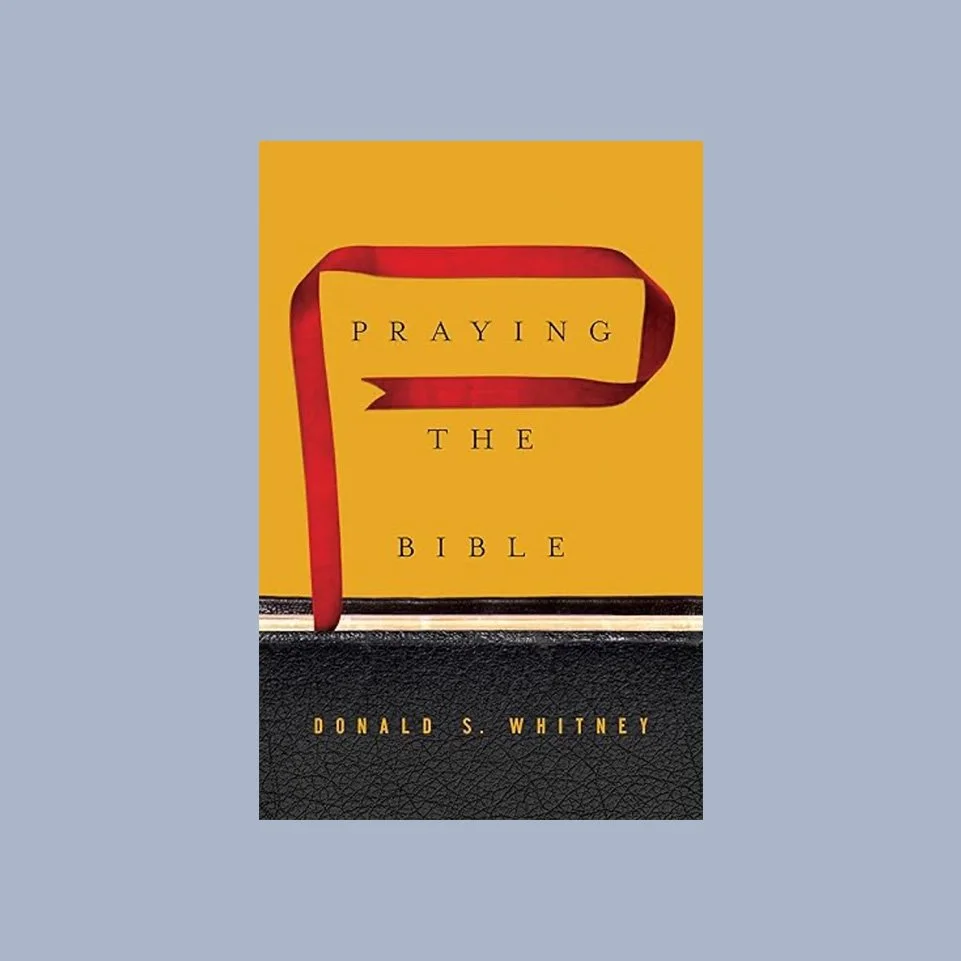



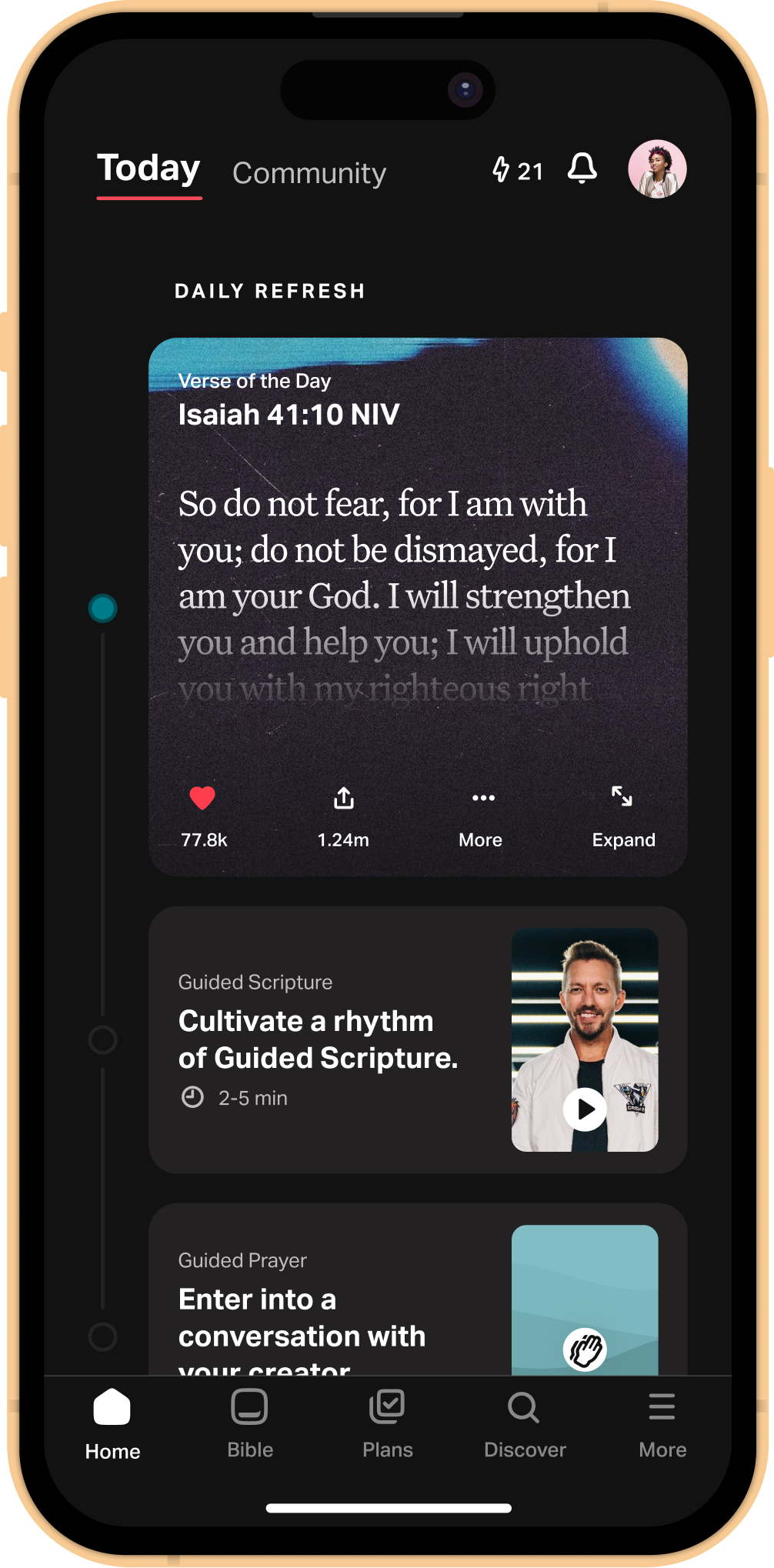

TAKE GOD’S WORD WHEREVER YOU GO
USE PRAYER CARDS TO KEEP TRACK OF YOUR PRAYERS IN THE BIBLE APP
EASILY ORGANIZE PRAYER LISTS
MAKE YOUR PRAYERS PRIVATE OR SHARE WITH FRIENDS
CELEBRATE ANSWERED PRAYER REQUESTS WITH YOUR BIBLE APP FRIENDS